
Justice, Torture, and Institutional Failure
The Hunchback of Notre DameThis thematic thread follows how legal and religious institutions transform prejudice into punishment while failing to uncover the truth.
increasing Bearing strength in each event
 decreasing
Bearing strength in each eventdecreasingA Deaf Court
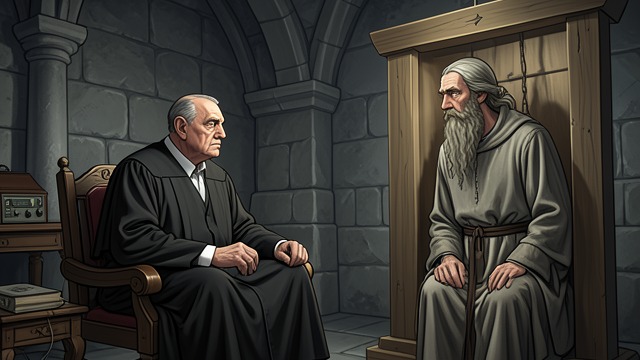
Procedure without Understanding
Two men cannot hear
Quasimodo is examined by a deaf judge who mistakes silence for answers. The court’s formal appearance of order conceals a basic failure of communication.
Punishment persists
The judge increases Quasimodo’s pillory sentence after misunderstanding the effort to explain his deafness. Institutional authority makes the absurdity consequential.
Popular Cruelty
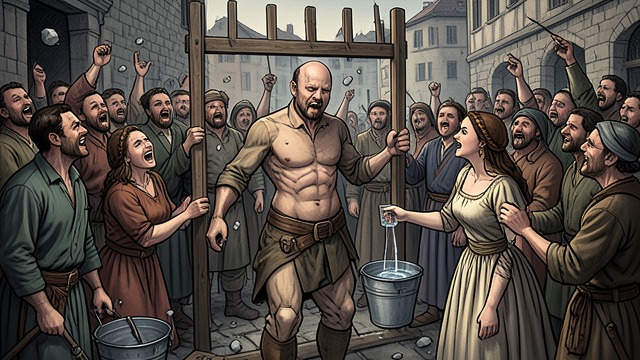
A Crowd at Work
Humiliation becomes amusement
The crowd jeers as Quasimodo is whipped and displayed. His disability and deformity make suffering entertaining to spectators.
Mercy from the accused
Esmeralda gives him water, provoking a moment of public admiration. The scene exposes how an individual’s kindness can challenge, but not erase, collective cruelty.
A Case Manufactured
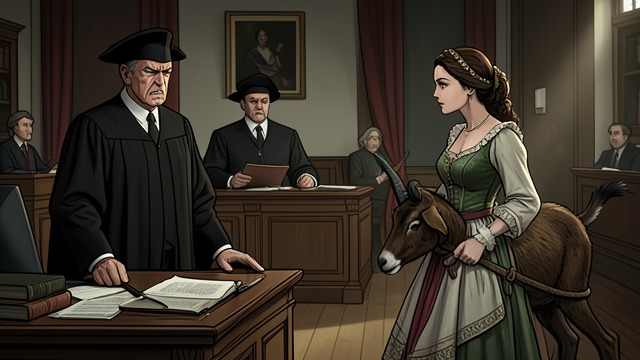
Suspicion Becomes Evidence
The wrong suspect
The court treats Esmeralda as the attacker, although Claude Frollo committed the stabbing. Her status as a Romani performer makes the accusation plausible to a prejudiced audience.
Djali criminalized
The court interprets the goat’s trained performances as proof of sorcery. Ordinary skill becomes criminal evidence when superstition governs the inquiry.
Confession by Torture
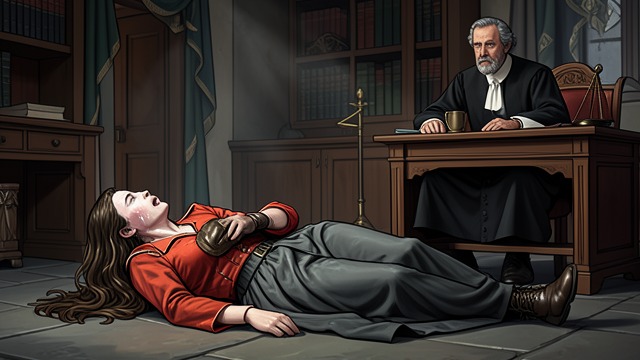
Pain Replaces Investigation
The boot applied
Esmeralda denies the charges until the torture begins. Her confession follows pain, not new knowledge or truth.
A convenient verdict
The court records the forced admission and moves toward sentence. Officials treat the confession as proof while ignoring how it was produced.
Sanctuary Overruled
Protection Withdrawn
Sacred refuge challenged
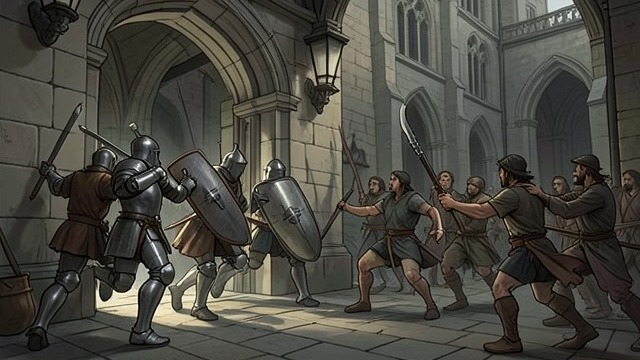
Quasimodo’s rescue invokes Notre-Dame’s right of sanctuary. The outcasts attack the church partly to prevent the state from taking Esmeralda again.
Royal force decides
Louis XI sends troops to suppress the disturbance, and Esmeralda is seized. Legal and religious protections cannot withstand the combined force of royal orders and public prejudice.
January 7, 1482
The same day at the Grève pillory
Spring 1482, after Phoebus is stabbed
During the interrogation after the trial
The night of the siege and the following dawn
